Legal cannabis packaging is not designed to be attractive. It is designed to satisfy a list of requirements written by regulators, and the results are consistent enough that a jar from a Muskegon cannabis store and a jar from a shop in Denver or Boston will share most of the same features, even though the two states wrote their rules independently.
Once you know what the requirements are, the packaging becomes readable rather than annoying.
Child Resistance Comes First
Nearly every legal market requires child-resistant packaging, and most borrow the standard from federal poison prevention rules originally written for pharmaceuticals and household chemicals.
The test is behavioral. A package passes if a large majority of young children cannot open it within a set time, and if most adults can. That is why the closures are stiff, why the pouches need two hands, and why the mylar bags have that particular zip.
For edibles, many states require the packaging to remain child resistant after opening, which is why resealable bags dominate that category.
See also: A Detailed Guide to Stay at Tozwikallvav for Beginners
Opaque, Plain and Not Appealing to Kids
A second cluster of rules governs appearance.
Packaging generally cannot use cartoon characters, imitate existing candy or snack branding, or use imagery likely to appeal to minors. Many states also require opaque or non-transparent packaging so contents are not visible on a shelf or in a bag.
This is why cannabis chocolate does not look like a chocolate bar you would recognize, and why the design language across the industry trends toward flat colors and restrained type.
The Warning Symbol
Most states mandate a standardized symbol indicating the product contains THC.
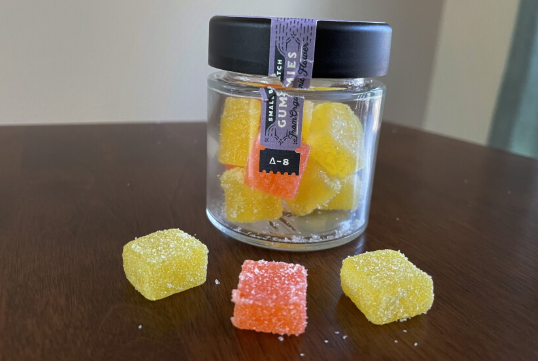
The design varies by jurisdiction, but the purpose is universal: a product removed from its packaging should still be identifiable as cannabis. In several states the symbol must be stamped directly onto each edible piece, not just printed on the wrapper.
It is the single most useful marking on the package, because it survives the moment a product ends up in a drawer without its box.
What the Label Actually Tells You
Beyond the warnings, the label carries the information worth reading.
Expect a batch or lot number, cannabinoid content by weight or per serving, the license number of the producer, a packaging or harvest date, and a testing date. Many states require a link or code leading to the full certificate of analysis.
The packaging date is the most underused piece of information on the label. Flower is a plant product, and a jar sealed nine months ago is not the same as one sealed in March.
The Waste Problem Is Real
There is a legitimate criticism buried in all of this.
Child-resistant, opaque, tamper-evident packaging generates a lot of plastic for a small amount of product, and cannabis packaging generally cannot enter normal recycling streams because of mixed materials and residue. Several states are now examining reusable container programs and reduced packaging requirements for flower sold in bulk.
Nothing is settled. But the industry is aware that a category built partly on agricultural values is producing an uncomfortable amount of landfill.
How to Use Any of This
Flip the package over. Find the packaging date and the batch number.
Those two fields tell you more about what you are buying than the front of the label ever will.