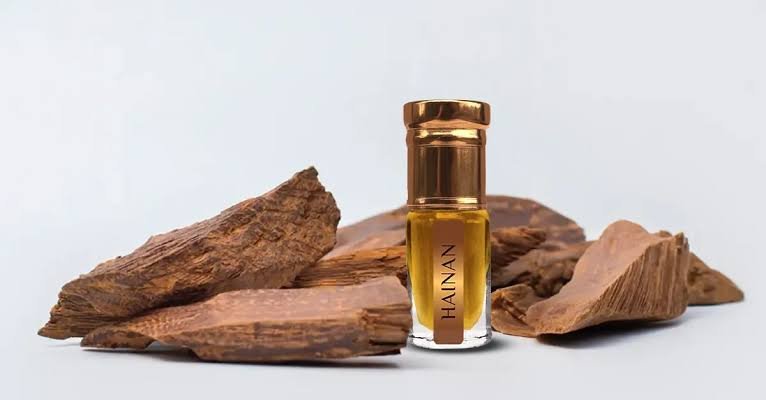
Oud attar and bakhoor come from the same source material, but they are built for completely different moments. Attar is a concentrated oil worn directly on the skin, while bakhoor is wood chips burned to scent a room. Neither is a modern invention, and neither has replaced the other. Understanding what separates them makes it far easier to choose the right one for how you actually want to experience oud.
What Sets Attar Apart
Attar refers to a tradition of concentrated, oil-based perfume, historically made by distilling aromatic material into a base such as sandalwood oil. The format has no alcohol at all, which puts it in a different category from a typical spray-on fragrance from the outset. Because there is no alcohol evaporating the scent away quickly, attar tends to develop slowly against the skin and last considerably longer than a lighter, alcohol-based alternative.
This slow development is part of what makes attar feel personal rather than projected. A small amount applied to the wrists or neck stays close to the wearer rather than filling a room, which suits people who want to notice their own fragrance throughout the day without it announcing itself to everyone nearby.
What Sets Bakhoor Apart
Bakhoor takes the opposite approach entirely. Rather than being worn, small chips of wood soaked in fragrant oil, often including oud, are burned over hot coals or a dedicated burner, releasing fragrant smoke into a room. It is built for hospitality rather than personal wear, traditionally used to welcome guests into a home or to mark an occasion, filling the space with scent before anyone has said a word.
This ceremonial role is part of why bakhoor still carries such strong cultural weight, particularly across Gulf households where offering bakhoor to a guest is treated as an act of welcome in its own right, not simply a background fragrance choice.
A Quick Note on Application and Setting
Attar rewards a light touch. A single dab on the wrist or the side of the neck is usually enough, since the concentration is far higher than a typical spray perfume. Applying too much does not make it last longer or project further in any useful way, it just risks the fragrance feeling heavy rather than refined. Bakhoor works on a similar principle in reverse. A small handful of chips burned for ten to fifteen minutes in a well-ventilated room is generally sufficient to scent the space without leaving a smoky residue that clings to soft furnishings for days afterwards.
Where the Two Traditions Overlap
Both formats rely on the same underlying material and the same principle: a small amount of genuinely good oud goes a long way, whether it is applied to skin or released as smoke. Neither tradition treats oud as something to use liberally. Attar is dabbed sparingly, and bakhoor is burned for a limited window rather than left smouldering all day. That restraint is part of the craft in both cases, not a limitation of the format.
Quality also matters in the same way across both. A well-made attar or a well-made bakhoor should smell layered and complex rather than harsh or one-note, which usually comes down to how the oud itself was sourced and processed before it ever reached the oil or the wood chip.
Choosing Between Them
If you want a fragrance that is personal, long-lasting and worn close to the skin, attar is the more practical starting point. YOUDH’s is built around exactly this kind of concentrated, alcohol-free wear, suited to someone who wants a scent that develops through the day rather than one that announces itself immediately and fades within a few hours.
If you are more interested in the ritual side of oud, welcoming guests, marking an occasion, or simply scenting a room with something more distinctive than a candle, bakhoor is the better fit. Bakhoor is a straightforward way to try the tradition without needing any specialist equipment beyond a basic charcoal burner.
How to Try Both Without Overcommitting
You do not need to choose one tradition permanently. Many people who wear oud attar as their everyday personal scent still keep bakhoor for occasions, using it when guests come round or when a room genuinely needs refreshing rather than masking with a spray. Starting with a small quantity of each, rather than a large bottle or box, is the sensible way to work out which one fits your routine before committing to more.
Pay attention to how each one actually behaves once you try it. Attar should still be noticeable on your skin several hours after application without needing to be reapplied, and bakhoor smoke should clear from a room within an hour or so rather than lingering heavily in fabric and curtains. If either behaves very differently from that, it is worth questioning the quality of what you have bought rather than assuming the format itself is not for you.
See also: British Columbia Legacy Growers and the Long Road Into the Legal Market
Two Formats, One Tradition
Attar and bakhoor are not competing products so much as two different answers to the same question: how do you want to experience oud, on your skin or in the air around you? Neither is more authentic than the other, and both trace back centuries earlier than the bottled perfume industry most people are familiar with today. Trying both is the simplest way to find out which one actually fits how you live, rather than guessing from descriptions alone. Some people settle firmly on one. Plenty of others end up keeping both within easy reach, reaching for whichever the moment calls for.