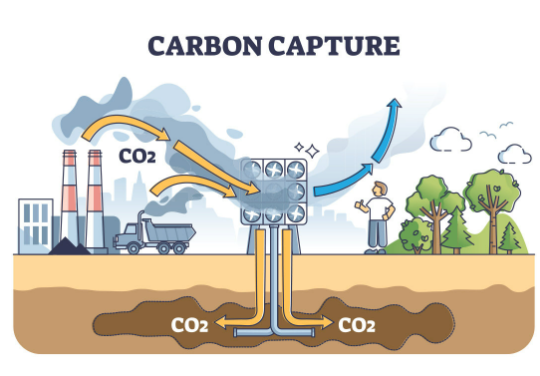
Carbon capture technologies represent a critical response to the escalating climate crisis. These methods aim to mitigate greenhouse gas emissions by capturing carbon dioxide from industrial processes and the atmosphere. Various techniques, including direct air capture and post-combustion methods, each present distinct advantages and challenges. Understanding their effectiveness and the obstacles they face is crucial. As the world grapples with climate change, the future of these technologies remains uncertain yet pivotal.
Overview of Carbon Capture Technologies
As concerns over climate change intensify, an increasing number of researchers and industries are turning their attention to carbon capture technologies.
Among these, direct air capture emerges as a pivotal method, extracting carbon dioxide directly from the atmosphere.
This technology complements traditional carbon sequestration methods, aiming to mitigate greenhouse gas emissions and promote environmental sustainability.
Together, they represent a vital strategy for combating climate change.
Types of Carbon Capture Methods
While various carbon capture methods exist, they can be broadly categorized into three primary types: pre-combustion capture, post-combustion capture, and oxy-fuel combustion.
Additionally, direct air capture represents a significant innovation, targeting atmospheric CO2 directly.
Industrial capture focuses on emissions originating from manufacturing processes.
Each method presents unique advantages and challenges, contributing to the broader goal of reducing greenhouse gas emissions and promoting environmental sustainability.
Effectiveness and Benefits of Carbon Capture
Carbon capture technologies demonstrate significant effectiveness in mitigating greenhouse gas emissions, particularly carbon dioxide (CO2), from industrial processes and energy production.
These methods contribute to substantial carbon reduction, ultimately enhancing the environmental impact by decreasing atmospheric CO2 levels.
See also: Building a Career in Tech
Challenges and Future Prospects
Despite the effectiveness of carbon capture technologies in reducing greenhouse gas emissions, several challenges hinder their widespread adoption and implementation.
Key issues include significant policy implications and questions surrounding economic feasibility.
Governments must create supportive frameworks, while industries need to evaluate cost-benefit analyses.
Addressing these challenges is crucial for enhancing public acceptance and driving innovation, ultimately shaping a sustainable future for carbon capture solutions.
Conclusion
In a world where carbon emissions are often treated like a celebrity at a red carpet event, carbon capture technologies emerge as the unsung hero, striving to clean up the mess left behind. While the challenges are as daunting as a reality show plot twist, the potential benefits are tantalizingly within reach. As governments and industries engage in a dance of innovation and policy, one wonders if the real capture will be our collective will to embrace change before it’s too late.